How to Improve Employee Benefits to Support Retention

In today’s labor market, organizations looking at how to improve employee benefits are often trying to solve two challenges at once: retaining talent while managing rising costs. Expanding benefits alone is rarely the answer. Long-term success comes from designing a benefits strategy that aligns with workforce needs, financial realities, and organizational priorities.
The most effective benefits programs are not simply expanded; they are intentionally structured to support retention, improve employee experience, and remain sustainable over time.
Why Benefits Strategy Matters More Than Ever
Employee expectations have shifted significantly in recent years. Rising healthcare costs, economic uncertainty, and increased focus on well-being have changed how employees evaluate employers. At the same time, organizations must manage budgets carefully while remaining competitive in attracting and retaining talent.
Understanding how to improve employee benefits strategically allows employers to strengthen engagement and retention without creating unsustainable long-term costs. When benefits reflect both workforce needs and financial discipline, they become a powerful tool for organizational stability.
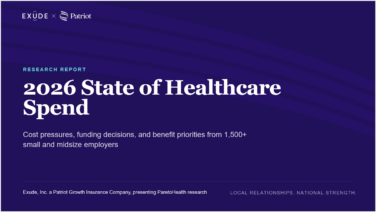
Recent workforce data shows continued shifts in what employees prioritize, particularly around healthcare access, financial stability, and flexible support structures. Industry trend analysis indicates that organizations are increasingly focusing on sustainable benefits design rather than expanding offerings year over year, a shift reflected in current employee benefits trends.
How to Improve Employee Benefits Strategically
Improving employee benefits is not about offering more; it is about offering the right mix, structured intentionally.
Understand Workforce Needs
Different employee groups prioritize different benefits based on life stage, role, and personal circumstances. Organizations that evaluate workforce data and gather employee feedback are better positioned to design benefits that truly support engagement and retention.
In many cases, improvement begins with identifying where current benefits are underperforming or underutilized. Organizations that regularly review utilization patterns and employee input are better able to uncover hidden gaps that affect both employee experience and program effectiveness.
Focus on High-Impact Areas
Certain benefits consistently influence retention and workforce stability, particularly those that support health, financial security, and work-life balance. Prioritizing these areas ensures resources are invested where they create meaningful value for both employees and the organization.
Align Benefits With Long-Term Sustainability
A key part of how to improve employee benefits is ensuring they remain financially sustainable. Short-term expansion without long-term planning can create cost pressure and force future cutbacks, which may undermine employee trust.
Organizations benefit from designing programs that balance employee experience with predictable, manageable cost trends.
High-Impact Benefit Areas That Influence Retention
When organizations evaluate how to improve employee benefits, the goal is not to expand offerings indiscriminately, but to prioritize areas that meaningfully impact workforce stability, engagement, and long-term sustainability.
Flexible Work and Workforce Support
Flexibility has become an important factor in employee satisfaction and retention. Depending on the nature of the organization and roles, flexible scheduling, hybrid arrangements, or supportive workplace policies can help employees manage personal and professional responsibilities more effectively.
When implemented thoughtfully, flexibility can improve productivity, reduce burnout, and support workforce stability without significantly increasing costs.
Healthcare Access and Plan Design
Healthcare remains one of the most influential components of any benefits strategy. Beyond basic coverage, employees increasingly value accessible care, telehealth services, and plan designs that support both preventive care and predictable costs.
Employers benefit from structuring healthcare offerings in a way that balances employee access with long-term financial sustainability rather than simply expanding coverage.
Mental Health and Well-Being
Mental health support plays a growing role in employee engagement and retention. Access to counseling, employee assistance programs, and well-being resources helps employees manage stress and maintain productivity.
Organizations that proactively support mental well-being often see improvements in engagement, stability, and overall workplace resilience.
Financial Security and Long-Term Planning
Financial stress can significantly impact employee satisfaction and retention. Benefits such as retirement planning support, financial wellness resources, and structured savings programs help employees feel more secure about their future.
When employees feel financially supported, they are more likely to remain engaged and committed to the organization over time.
Balancing Cost, Experience, and Retention
Employers often struggle to balance rising benefits costs with employee expectations. Increasing offerings without a strategic framework can lead to unsustainable spending, while aggressive cost reduction can weaken retention and engagement.
A thoughtful approach considers:
- Plan design optimization rather than simple cost shifting
- Workforce utilization patterns
- Long-term cost trends and renewal strategy
- Clear communication and employee understanding
Rising healthcare costs remain one of the primary drivers shaping benefits strategy. Benchmark data shows that organizations using a proactive, data-informed approach to plan design and renewal planning are better positioned to manage long-term cost trends while maintaining competitive benefits programs.
When organizations take a strategic approach to improving employee benefits, they can manage costs responsibly while still supporting workforce stability and retention.
The Role of Communication in Benefits Effectiveness
Even well-designed benefits programs lose impact if employees do not understand how to use them. Clear and consistent communication helps employees make informed decisions, improves utilization, and reinforces trust.
Effective communication may include:
- Clear benefit guides and decision support tools
- Ongoing education beyond open enrollment
- Resources that help employees understand healthcare and wellness options
When employees feel confident navigating their benefits, engagement and satisfaction tend to increase, supporting long-term retention.
How Strong Benefits Support Retention and Workforce Stability
Improving benefits strategically addresses many of the underlying drivers of turnover, including burnout, financial stress, and lack of support. When employees feel supported and understand the value of their benefits, engagement and morale tend to improve.
Over time, organizations that align benefits with workforce needs and financial sustainability often experience stronger retention, improved workforce stability, and a more resilient workplace culture.
Designing Benefits for Long-Term Impact
Improving employee benefits is an ongoing process rather than a one-time initiative. Workforce needs evolve, cost trends shift, and organizations must continuously adapt.
A strategic approach to improving employee benefits allows organizations to make informed decisions that support retention, workforce stability, and long-term sustainability without sacrificing financial discipline.
Ready to Strengthen Your Employee Benefits Strategy?
Improving employee benefits requires thoughtful planning, data-driven decisions, and a long-term perspective. Exude helps organizations design sustainable benefits strategies that support retention, improve engagement, and manage costs responsibly.
Contact us today to learn how Exude can support your organization.
You may also like
-
![]()
-
![]()
-
Signup for our stories
Fresh thinking delivered to your inbox once a month.